Anti-Drone Net US: Market Overview and Compliance Landscape
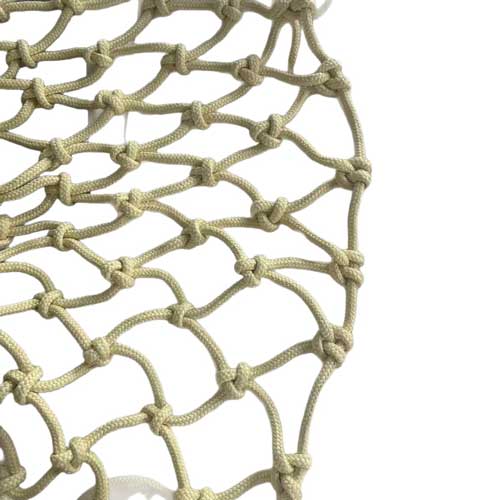
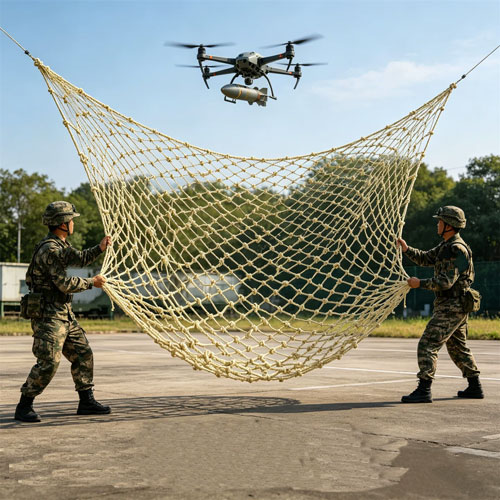
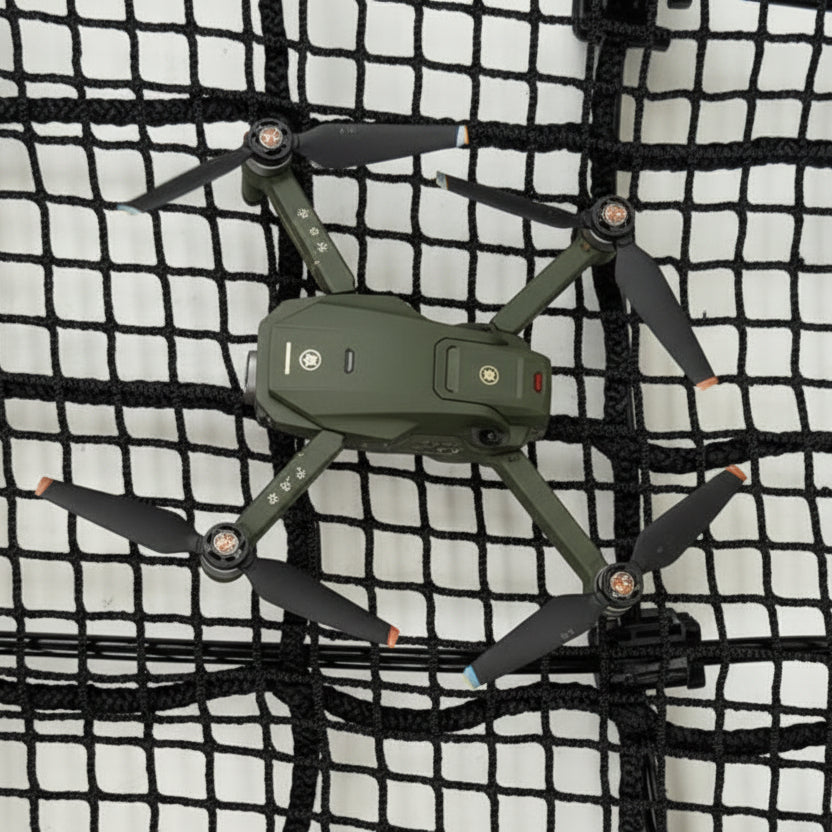
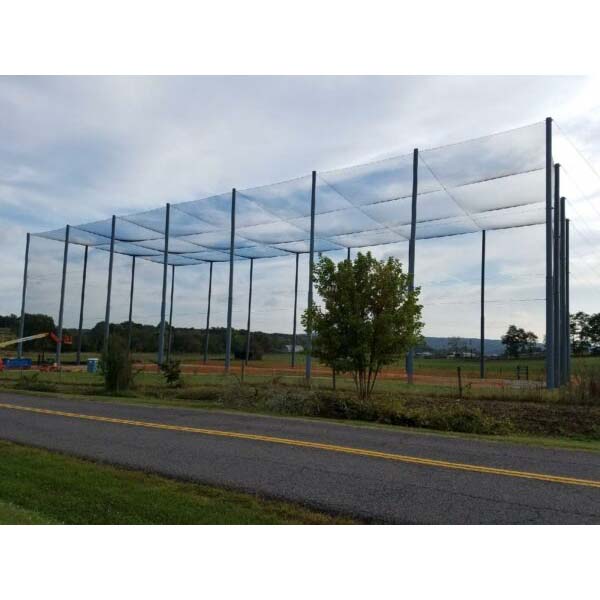
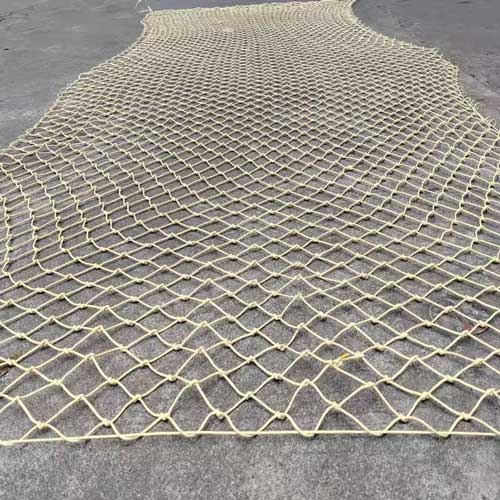
As unmanned aerial systems (UAS) become more accessible and sophisticated, security threats from unauthorized drones have escalated across the United States — from military installations and government facilities to critical infrastructure and correctional institutions. The anti-drone net US market has rapidly evolved to meet these challenges, offering robust, physically validated defense systems that capture rogue drones mid-flight without electronic interference or signal jamming.
The United States presents unique requirements for counter-drone technology. Unlike other regions, US defense and infrastructure operators must navigate a complex web of federal regulations, procurement standards, and domestic sourcing mandates. Any effective solution must satisfy Federal Aviation Administration (FAA) airspace safety rules, comply with National Defense Authorization Act (NDAA) sourcing restrictions, and meet Department of Defense (DoD) evaluation criteria for military-grade reliability.
This comprehensive guide explores the full landscape of anti-drone net solutions for the US market — explaining FAA deployment regulations, NDAA-compliant counter drone netting for US bases, Buy American requirements, DoD procurement processes, and application-specific solutions for military bases, critical infrastructure, border patrol, and correctional facilities throughout the United States.
Understanding FAA Regulations for Anti-Drone Net Deployment in the US
The Federal Aviation Administration (FAA) maintains strict authority over all US airspace, including the airspace immediately above private and federal facilities. Any FAA compliant anti-drone net US deployment must operate within the FAA's regulatory framework for counter-UAS (C-UAS) systems. Understanding these regulations is the first critical step for any organization planning to deploy physical drone capture systems.
FAA Authorization for C-UAS Systems
Under current US law, only specific federal agencies — including the Department of Defense (DoD), Department of Energy (DoE), Department of Homeland Security (DHS), and the Department of Justice (DoJ) — are authorized to operate C-UAS systems that detect, track, or intercept drones in US airspace. Private operators and state/local entities generally require special FAA coordination or a Section 333 exemption to deploy active counter-drone measures.
Physical anti-drone nets, however, occupy a unique regulatory position. Because net systems are passive capture mechanisms rather than electronic jamming or projectile-based solutions, they may qualify for more flexible deployment pathways under FAA guidelines, particularly when installed on private property above owned airspace and within facility perimeters.
Key Regulatory Considerations for Anti-Drone Net Installations
- Airspace classification: Nets installed within the physical boundary of a facility (under 200 feet AGL) are less likely to require direct FAA authorization than systems deployed in navigable airspace.
- Visual impact: FAA may require marking or lighting of net structures near airports or helipads under FAA Advisory Circular 70/7460-1L (Obstruction Marking and Lighting).
- Environmental review: Certain installations may require environmental assessment under the National Environmental Policy Act (NEPA) for federally funded projects.
- Coordination with local air traffic control: Facilities near controlled airspace should coordinate net deployment with the local Air Traffic Control (ATC) facility.
Steps to Achieve FAA Compliance
- Conduct an airspace assessment with an FAA-certified aviation consultant to determine if the proposed net installation affects navigable airspace.
- If installation is for a federal agency, coordinate through the agency's designated C-UAS office.
- For private critical infrastructure, seek guidance through the FAA's UAS Integration Office or obtain a Section 333 exemption if electronic detection is integrated with the net system.
- File a Notice of Proposed Construction (Form 7460-1) if the net structure exceeds 200 feet AGL or is within 20,000 feet of a public airport.
Partnering with an experienced FAA compliant anti-drone net US manufacturer ensures that your installation design already accounts for these regulatory requirements, reducing approval timelines and legal risk.
NDAA-Compliant Counter Drone Netting for US Military Bases
The National Defense Authorization Act (NDAA) is the primary legislative vehicle that shapes US defense procurement policy. Section 889 of the 2019 NDAA, as amended, imposes strict prohibitions on the federal government's procurement of certain telecommunications and video surveillance equipment from specified Chinese companies. For counter-drone systems, NDAA compliance has become a baseline requirement for any solution deployed on US military bases or funded by federal dollars.
What NDAA Compliance Means for Anti-Drone Netting
When selecting NDAA compliant counter drone netting for US bases, procurement officers must verify that the netting system — including all components such as the net fabric, support cables, anchoring hardware, mounting poles, and any integrated sensors — does not contain prohibited technology or originate from restricted entities. This requirement extends to:
- Materials sourcing: The raw materials (stainless steel wire, aramid fibers, HDPE, nylon) must be traceable to non-restricted suppliers.
- Manufacturing location: While NDAA does not mandate US-only manufacturing, the final assembly and critical subcomponents should not involve restricted entities.
- Embedded electronics: Any sensors, cameras, or detection modules integrated with the net system must be NDAA-compliant.
- Software and firmware: Command-and-control software must not contain code from restricted sources and should be developed in the US or allied nations.
Verification and Certification Requirements
DoD procurement typically requires vendors to provide:
- A signed NDAA compliance declaration letter from the manufacturer's authorized officer
- Component traceability documentation showing the supply chain for all materials
- Third-party testing or certification when specified in the solicitation
- Country of origin documentation for all major subcomponents
Working with manufacturers who specialize in NDAA compliant counter drone netting for US bases streamlines this process, as these vendors maintain pre-verified supply chains and have existing compliance documentation ready for DoD review.
Choosing the Right NDAA-Compliant System
When evaluating systems for US military base protection, consider these factors beyond NDAA status:
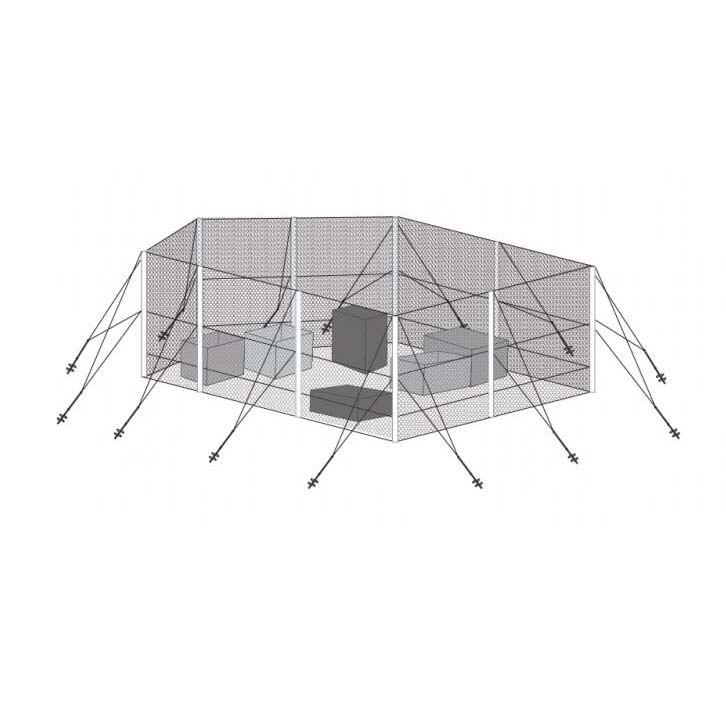
- System height and coverage area: Military base perimeters vary from 12-foot barriers to 50-foot+ security zones. The net system must match the specific threat profile.
- Material durability: Military environments demand UV-resistant, weatherproof netting that withstands extreme temperatures, high winds, and sand exposure.
- Integration with existing security infrastructure: The net system should interface with base radar, RF detection, and command center monitoring platforms.
- Rapid deployment capability: Field-deployed bases and forward operating locations require netting systems that can be erected and dismantled quickly.
How the US Department of Defense Evaluates Anti-Drone Netting Solutions
The US Department of Defense follows a structured evaluation framework for all C-UAS technologies, including physical netting systems. Understanding how the DoD assesses anti-drone net US Department of Defense procurement proposals is essential for manufacturers and contractors seeking defense contracts.
DoD C-UAS Evaluation Framework
The DoD's Joint C-UAS Office (JCO) categorizes counter-drone solutions into four functional layers: detect, track, identify, and defeat. Physical anti-drone nets fall under the "defeat" category along with kinetic interceptors, electronic warfare systems, and directed energy weapons. The JCO evaluates netting solutions against these criteria:
- Probability of kill (Pk): The statistical likelihood that the net system will successfully capture an unauthorized drone. DoD requires documented test data, typically a Pk of 95% or higher under operational conditions.
- Collateral damage assessment: Unlike projectile-based systems, net capture solutions offer near-zero collateral damage — a significant advantage for base perimeters near civilian populations.
- Electronic warfare interoperability: The net system must function without interfering with base radar, communications, or existing electronic warfare (EW) systems.
- Total ownership cost (TOC): DoD evaluates 10-year lifecycle costs including procurement, installation, maintenance, training, and logistics support.
Testing and Certification Requirements
For anti-drone net US Department of Defense procurement, vendors must typically complete:
- Developmental Testing (DT): Controlled laboratory and range testing to verify the net system meets performance specifications.
- Operational Testing (OT): Field evaluation under realistic mission conditions, often conducted at Army test ranges such as Yuma Proving Ground or Dugway Proving Ground.
- Safety Release: Formal safety certification ensuring the system poses no hazard to personnel or equipment.
- Cybersecurity certification: DoD requires Risk Management Framework (RMF) authorization for any system with digital or networked components.
Key Decision Factors for DoD Evaluators
| Criterion | Weight | Description |
|---|---|---|
| Operational effectiveness | High | Proven ability to capture small UAS (Group 1-3) under real-world conditions including wind, dust, and low visibility |
| Logistics footprint | Medium | Ease of transport, setup time, replacement part availability, and field maintenance requirements |
| Scalability | Medium | Ability to protect perimeters from 500 meters to 10+ kilometers with modular expansion |
| NDAA compliance | Mandatory | All components and supply chains must satisfy NDAA Section 889 requirements |
| Technology readiness level (TRL) | High | DoD prefers TRL 7+ systems (demonstrated in operational environment) |
US Government Agencies That Procure Anti-Drone Netting Systems
Multiple US government agencies and departments procure anti-drone net US systems to protect their facilities, personnel, and operations. Understanding which agencies are active buyers and their specific procurement channels helps manufacturers target their business development efforts effectively.
Department of Defense (DoD)
The DoD is the largest single procurer of C-UAS technology in the United States. Procurement occurs through:
- Army Contracting Command (ACC): Procures perimeter security solutions for Army bases, ammunition depots, and training facilities.
- Naval Facilities Engineering Command (NAVFAC): Sources anti-drone netting for Navy bases, shipyards, and naval air stations.
- Air Force Civil Engineer Center (AFCEC): Procures base protection systems for Air Force installations.
- Defense Logistics Agency (DLA): Handles recurring procurement of security equipment including netting systems.
Department of Homeland Security (DHS)
DHS agencies with C-UAS procurement authority include:
- US Customs and Border Protection (CBP): Procures anti-drone net for US military bases and border patrol operations along the southern and northern borders.
- Transportation Security Administration (TSA): Sources drone mitigation systems for airport perimeter protection.
- Federal Protective Service (FPS): Protects over 9,000 federal facilities and procures C-UAS solutions for high-risk government buildings.
Department of Energy (DoE)
The DoE procures anti-drone netting for the protection of nuclear facilities, national laboratories, and strategic energy infrastructure. The National Nuclear Security Administration (NNSA) is a primary buyer for secure sites requiring the highest level of drone threat mitigation.
Department of Justice (DoJ)
DoJ agencies including the Federal Bureau of Investigation (FBI) and Bureau of Prisons (BOP) procure C-UAS systems for their facilities. The BOP specifically sources anti-drone net for US prisons and correctional facilities to prevent drone-delivered contraband and reconnaissance.
Procurement Vehicles and Contract Vehicles
Agencies typically procure through these channels:
- GSA Schedule (GS-07F): The primary procurement vehicle for commercial-off-the-shelf security equipment. Manufacturers must hold a GSA Schedule contract to sell directly to federal agencies.
- SBIR/STTR grants: Small Business Innovation Research programs fund development of innovative C-UAS technologies.
- Other Transaction Authority (OTA): The DoD and DHS use OTAs for rapid prototyping and fielding of new counter-drone technologies.
- Indefinite Delivery/Indefinite Quantity (IDIQ) contracts: Multi-award contracts that agencies use to order anti-drone netting systems as needed.
Buy American Requirements for Anti-Drone Netting Systems
The Buy American Act (BAA) and the Trade Agreements Act (TAA) impose domestic sourcing preferences on federal procurement of anti-drone netting systems. These requirements affect how manufacturers structure their supply chains and how agencies evaluate vendor proposals.
For organizations seeking a Buy American anti-drone netting system, understanding the regulatory landscape is essential for compliance and competitive bidding.
Key Legislation Governing Domestic Content
- Buy American Act (1933): Requires that the US government preferentially purchase domestically produced goods. For iron and steel products — which includes the structural components of anti-drone netting systems — all manufacturing must occur in the United States.
- Buy America Act (as amended): Applies specifically to infrastructure projects funded by federal transportation, water, and energy programs. Requires that all steel, iron, and manufactured products be produced in the US.
- Trade Agreements Act (1979): Allows procurement from designated countries (including NATO allies and US free trade agreement partners) when the contract value exceeds certain thresholds.
Domestic Content Calculation for Anti-Drone Netting
For a Buy American anti-drone netting system, the domestic content requirement is typically:
- 55% domestic content for iron and steel products (BAA standard)
- 65% domestic content for manufactured products (Sections 1605/709 of the Recovery Act)
- 100% domestic manufacturing for structural steel components under DOT-funded projects
The cost of domestic components is calculated as a percentage of the total component cost. Materials sourced from allied nations under TAA may qualify as domestic for certain procurement actions.
Exemptions and Waivers
Federal agencies may grant Buy American waivers when:
- Domestic sources are not available (non-availability determination)
- The domestic cost is unreasonable (typically >25% price differential)
- Purchasing domestic goods would be inconsistent with the public interest
- The product is for use outside the United States
For specialized anti-drone netting materials like aramid fibers or high-tensile stainless steel cables, manufacturers may qualify for non-availability waivers for specific components while maintaining overall compliance.
How Manufacturers Demonstrate Buy American Compliance
Vendors responding to RFPs for Buy American anti-drone netting systems must provide:
- A Certificate of Compliance with the Buy American Act
- A detailed domestic content calculation worksheet
- Country of origin documentation for all steel, iron, and manufactured components
- Mill test reports (MTRs) for structural steel verifying US origin
- Manufacturing location documentation for assembly and fabrication
Anti-Drone Net Solutions for US Critical Infrastructure Protection
US critical infrastructure — including power plants, water treatment facilities, communication towers, data centers, and transportation hubs — faces growing drone threats that require robust physical security solutions. The Cybersecurity and Infrastructure Security Agency (CISA) identifies 16 critical infrastructure sectors, many of which are vulnerable to drone-based surveillance, disruption, or attack.
For facility security managers evaluating anti-drone net for US critical infrastructure protection, understanding the available solutions, installation methodologies, and cost structures is essential for effective budget planning and threat mitigation.
Critical Infrastructure Threat Profile
Recent CISA advisories highlight that unauthorized drones pose specific risks to critical infrastructure:
- Surveillance: Drones can capture sensitive operational details, security postures, and equipment configurations.
- Contraband delivery: Drones deliver prohibited items to restricted zones within industrial facilities.
- Weaponization: Small payloads attached to consumer drones can damage exposed equipment or trigger safety incidents.
- Distraction: Drone incursions serve as diversions for coordinated physical security breaches.
Cost of Installing Anti-Drone Nets for US Critical Infrastructure
Cost of installing anti-drone nets for US critical infrastructure varies significantly based on facility size, configuration, and environmental factors. Below is a representative pricing guide:
| Facility Type | Perimeter Size | Net System Specification | Estimated Installed Cost |
|---|---|---|---|
| Small substation / telecom tower | 100–500 ft | Single-span overhead net, 20 ft height | $50,000 – $150,000 |
| Medium water treatment plant | 500–2,000 ft | Multi-span gantry system, 30 ft height | $200,000 – $600,000 |
| Large power plant / data center | 2,000–10,000 ft | Full perimeter net enclosure, 40 ft height with detection integration | $750,000 – $2,500,000 |
| Major airport / transportation hub | 10,000+ ft | Custom-designed multi-layer net system with radar/camera integration | $2,000,000 – $8,000,000+ |
Factors Affecting Installation Costs
- Foundation requirements: Soil conditions and seismic zone ratings affect the cost of structural foundations for net support poles.
- Environmental permitting: Coastal zones, wetlands, or historically protected areas require additional permitting and environmental review.
- Integration complexity: Connecting mechanical net systems with existing security command centers and detection systems adds 15–25% to total project cost.
- Maintenance access: Remote or difficult-to-access facilities require specialized installation equipment, increasing labor costs.
ROI and Federal Funding Sources
Federal grant programs available for anti-drone net for US critical infrastructure protection include:
- DHS Infrastructure Protection Grant Program: Provides funding for security enhancements at high-risk critical infrastructure sites.
- DoD Readiness and Environmental Protection Integration (REPI) Program: Supports security improvements near military installations.
- DOE Office of Cybersecurity, Energy Security, and Emergency Response (CESER): Funds physical security upgrades at energy sector facilities.
Anti-Drone Nets for US Prisons and Correctional Facilities
The Federal Bureau of Prisons (BOP) and state correctional departments across the United States face an escalating problem: drones delivering contraband — including cell phones, drugs, and weapons — directly into prison yards. Physical anti-drone netting has emerged as the most reliable countermeasure for this threat, offering a proven physical barrier that electronic detection-only systems cannot provide.
The Drone Contraband Crisis in US Prisons
According to BOP incident reports, drone-related contraband drops at US correctional facilities have increased by over 400% since 2018. Prisons in Ohio, South Carolina, Georgia, and California have reported daily drone incursions. Traditional security measures — patrols, cameras, and RF detection — can identify drone threats but cannot prevent contraband delivery. An anti-drone net for US prisons and correctional facilities provides the critical physical interception layer that stops contraband before it reaches the inmate population.
Why Correctional Facilities Choose Net Systems
- Physical capture: Unlike jamming systems (which may violate FCC regulations), net systems physically capture drones and their payloads, preserving evidence for prosecution.
- No electronic interference: Correctional facilities operate sensitive communications and tracking systems that cannot tolerate RF interference from electronic countermeasures.
- Regulatory compliance: Prisons and correctional facilities are not among the federal agencies authorized to use electronic C-UAS systems under current FAA rules, making physical nets the most legally accessible option.
- 24/7 passive protection: Net systems require no operator intervention during incursions — they capture drones automatically as part of the facility's physical perimeter.
Installation Considerations for Correctional Facilities
For an anti-drone net for US prisons and correctional facilities, installations must address several unique requirements:
- Integration with existing perimeter security: Nets must work alongside razor wire, electronic detection systems, and patrol schedules without creating sightline obstructions.
- Right-of-way clearance: Netting must not extend beyond the facility's legal property boundary or airspace easement.
- Durability under extreme conditions: Correctional facility netting must resist cutting, tampering, and environmental degradation for 10+ years with minimal maintenance.
- Non-climbable design: Net support structures must incorporate anti-climb features to prevent use as egress aids.
Case Study: State Prison Implementation
In 2023, a maximum-security state prison in the southeastern US installed 2,400 linear feet of overhead anti-drone netting at a height of 40 feet covering two recreation yards and a warehouse area. The installed net system uses 3mm stainless steel wire mesh in a 25mm x 25mm weave pattern, tensioned across galvanized steel support poles. In the first six months of operation, the system captured 12 contraband-carrying drones, completely eliminating drug deliveries to the covered yard areas.
Anti-Drone Net Applications for US Military Bases and Border Patrol
US military bases and border patrol operations represent two of the most demanding applications for anti-drone netting systems. Both environments require solutions that provide continuous, reliable protection against drone incursions while operating in challenging outdoor conditions and supporting critical national security missions.
Anti-Drone Netting for US Military Bases
US military bases — from large installations like Fort Bragg and Camp Pendleton to forward operating bases (FOBs) — require perimeter security systems that can defeat Groups 1-3 UAS (drones weighing up to 1,320 lbs). An anti-drone net for US military bases and border patrol serves critical functions in the base protection architecture:
- Perimeter airspace denial: Creates a physical no-fly zone above base perimeters, munitions storage areas, and command centers.
- Permanent and expeditionary configurations: Military bases require both permanent installations for home stations and rapidly deployable systems for field operations.
- CBRN compatibility: Net systems at chemical, biological, radiological, and nuclear (CBRN) facilities must not interfere with contamination control protocols.
- Covert option: Camouflage-coated netting materials blend with base surroundings, reducing visual signature.
Border Patrol Applications
US Customs and Border Protection (CBP) faces unique drone challenges along both the southern and northern borders:
- Drug trafficking surveillance: Cartels use drones to monitor Border Patrol movements and coordinate smuggling operations.
- Critical infrastructure protection: Border ports of entry, inspection facilities, and detention centers require drone-free airspace.
- Remote sensing platforms: Drones are increasingly used for border surveillance by CBP, creating airspace management challenges with unauthorized drones.
For border patrol applications, mobile anti-drone net systems mounted on trailer platforms allow rapid deployment to high-threat areas along the border. These systems can be transported by standard pickup trucks and deployed by two-person crews in under four hours.
Technical Specifications for Military-Grade Systems
| Specification | Standard Military Base | Border Patrol Deployment | Forward Operating Base |
|---|---|---|---|
| Net height | 30–50 ft | 20–30 ft | 15–25 ft |
| Material | 3mm stainless steel / aramid | 5mm HDPE / polyester | 2mm aramid / Dyneema |
| Mesh aperture | 25mm x 25mm | 40mm x 40mm | 20mm x 20mm |
| Support system | Galvanized steel poles | Aluminum alloy frames | Pneumatic masts / guy-wires |
| Wind rating | 120 mph sustained | 90 mph sustained | 70 mph sustained |
| Deployment time | 4–6 weeks (permanent) | 1–2 days (mobile) | 4–8 hours (tactical) |
| Integrated detection | Radar + RF + EO/IR | RF detection only | Visual observation |
Joint-Use Considerations
When procuring an anti-drone net for US military bases and border patrol, agencies must consider shared airspace near civilian airports, training routes, and allied nation airspace along borders. Coordination with the FAA and joint airspace management authorities is mandatory for installations near controlled airspace.
Conclusion
The US market for anti-drone net solutions is defined by a distinct regulatory and procurement framework that sets it apart from other regions. From FAA airspace regulations and NDAA compliance to Buy American sourcing requirements and DoD evaluation protocols, organizations seeking to deploy anti-drone net systems in the US must navigate a multi-layered compliance environment.
Physical drone capture netting offers unique advantages for the US defense and infrastructure sectors. Unlike electronic countermeasures, net systems provide verified physical interdiction with zero RF interference, making them suitable for sensitive military bases, correctional facilities, and critical infrastructure sites where electronic systems may conflict with existing operations or exceed authorized C-UAS authorities.
Key takeaways for US buyers evaluating anti-drone net US solutions:
- FAA compliance is achievable for properly designed passive net systems, particularly when installed within facility boundaries below navigable airspace thresholds.
- NDAA compliance is a non-negotiable requirement for all DoD procurement and federal-funded installations.
- Buy American requirements apply to federal procurement of anti-drone netting systems, with specific domestic content thresholds for iron, steel, and manufactured components.
- DoD evaluation focuses on operational effectiveness, lifecycle cost, NDAA compliance, and technology readiness level — criteria that leading net manufacturers are well-positioned to satisfy.
- Application-specific designs are available for military bases, border patrol, prisons, power plants, data centers, and other critical infrastructure, each with tailored material specifications and height configurations.
As drone threats continue to evolve across the United States, physical anti-drone netting represents a proven, regulation-compatible, and cost-effective foundation for comprehensive C-UAS protection. Whether you are a DoD procurement officer, a federal facility security manager, or a critical infrastructure operator, selecting an anti-drone net solution from a qualified manufacturer with established US compliance credentials ensures effective threat mitigation and regulatory peace of mind.