Introduction
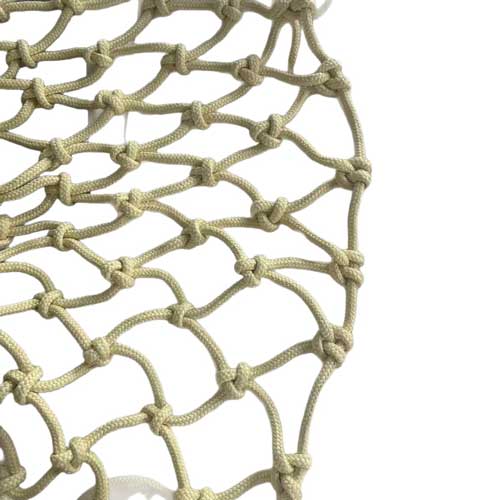
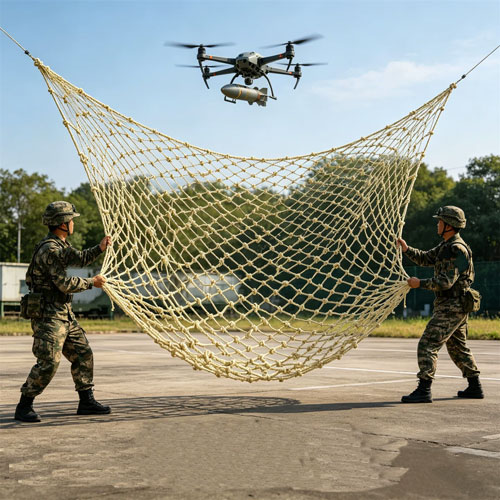
The Middle East has become one of the most active markets for drone countermeasure technologies, driven by escalating security threats across the Gulf region. From unauthorized drone incursions over critical oil infrastructure to surveillance drones targeting royal palaces, the demand for reliable physical countermeasures continues to grow. An anti-drone net Middle East solution offers a proven, maintenance-free approach to neutralizing drone threats without electronic interference or collateral damage.
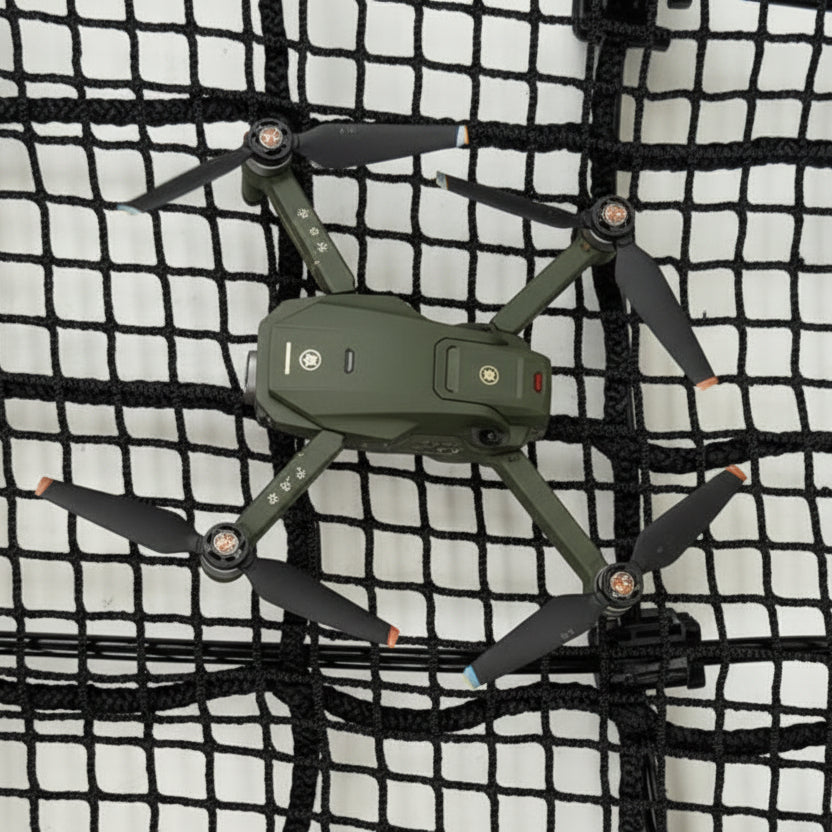
Unlike electronic jammers or GPS spoofers that can disrupt civilian communications and violate local frequency spectrum regulations, anti-drone nets provide a passive physical barrier that captures drones on contact. This makes them particularly suitable for the diverse security environments found across Gulf Cooperation Council (GCC) countries, where both military and civilian assets require continuous protection.
This comprehensive guide examines how anti-drone net systems are being deployed across the Middle East — from UAE oil and gas facilities and Saudi Arabian critical infrastructure to Qatari and Dubai airports, VIP palace compounds, and GCC border perimeters. We will explore procurement requirements, installation considerations, and how organizations across the region are implementing these systems to safeguard their most valuable assets.
Anti-Drone Net Middle East: The Growing Need for Physical Countermeasures
The adoption of anti-drone net Middle East solutions has accelerated significantly since 2020, following a series of high-profile drone attacks on regional infrastructure. The 2019 attacks on Saudi Aramco facilities, drone incursions over UAE airports, and surveillance drones spotted near Qatari energy installations have all contributed to a fundamental shift in how GCC states approach aerial security. The demand for a reliable anti-drone net Middle East system continues to grow as threat actors develop increasingly sophisticated drone capabilities.
Why Anti-Drone Nets Are the Preferred Solution in the GCC
Several factors make anti-drone net systems particularly attractive across the Middle East market:
- Regulatory compliance: Many GCC countries restrict the use of radio-frequency jammers and electronic countermeasures. Anti-drone nets are entirely passive and comply with local telecommunications regulations.
- Harsh environment durability: Middle Eastern conditions demand equipment that withstands extreme heat, sand, and UV exposure. Anti-drone nets constructed from marine-grade stainless steel or UV-stabilized HDPE perform reliably in these conditions.
- 24/7 autonomous protection: Once installed, anti-drone net systems require no operator intervention, making them ideal for remote oil and gas facilities, border outposts, and perimeter security zones.
- Zero collateral damage: Unlike directed-energy or kinetic systems, nets capture drones without creating debris fields or electronic interference that could affect sensitive equipment in oil refineries or airports.
Regional Market Growth
The GCC anti-drone market is projected to exceed $1.5 billion by 2028, with physical capture systems including nets accounting for an increasing share. Saudi Arabia and the UAE lead procurement, followed by Qatar, Kuwait, and Oman. Major infrastructure projects such as NEOM, Red Sea Project, and Expo City Dubai are incorporating anti-drone net Middle East protection into their security master plans from the design stage.
Anti-Drone Net for UAE Oil and Gas Facilities
The UAE is home to some of the worlds largest oil and gas reserves, with ADNOC operating extensive onshore and offshore facilities that require robust protection against drone threats. An anti-drone net for UAE oil and gas facilities provides the physical barrier necessary to prevent drone-borne espionage, payload drops, and collision hazards over sensitive processing plants and storage terminals. Every major oil and gas operator in the UAE now considers an anti-drone net for UAE oil and gas facilities an essential component of their security infrastructure.
Deployment Scenarios in UAE Energy Infrastructure
Anti-drone nets are applied across several distinct use cases within UAE oil and gas operations:
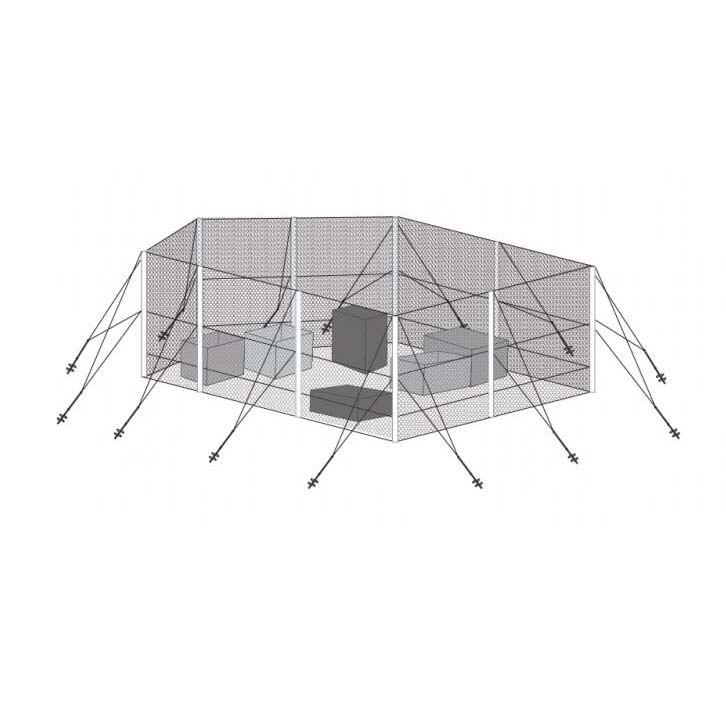
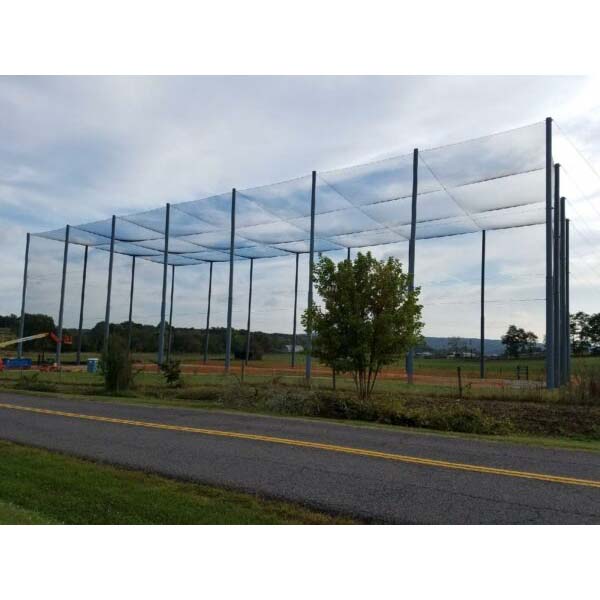
- Oil refinery perimeter coverage: Large-span net systems suspended from steel poles create a protective envelope around distillation columns, cracking units, and storage tank farms. These installations typically cover areas of 5,000 to 20,000 square meters per facility.
- Offshore platform protection: Lightweight, corrosion-resistant nets made from marine-grade stainless steel or aramid fiber are installed over critical deck areas on offshore platforms in the Arabian Gulf. These nets withstand salt spray, high winds, and UV exposure while preventing drone intrusion.
- Pipeline valve stations and pumping facilities: Smaller net systems protect remote pipeline infrastructure, where electronic detection systems are impractical due to limited power and communications infrastructure.
- Gas processing plants: In facilities like the Habshan gas complex and Ruwais refinery, anti-drone nets are integrated with existing security perimeters to create a comprehensive airspace denial system.
Installation Considerations for UAE Facilities
When deploying an anti-drone net system at UAE oil and gas sites, several factors must be addressed:
- Heat resistance: Nets must withstand ambient temperatures exceeding 50°C (122°F) during summer months without degradation.
- Sand and dust: The netting material must not accumulate sand, which could add weight and stress to the support structure.
- Explosion safety: In hazardous zone classifications (ATEX/IECEx), net support structures must be non-sparking and properly grounded.
- Maintenance access: Net systems should be designed with tension adjustment and removal mechanisms that allow equipment maintenance without compromising security coverage.
ADNOC and its contractors have specified anti-drone net protection as a standard requirement for new facility security designs, reflecting the proven effectiveness of these systems in the UAE energy sector.
Anti-Drone Net for Saudi Arabia Critical Infrastructure
Saudi Arabia has invested heavily in protecting its critical infrastructure after the 2019 Abqaiq–Khurais attacks demonstrated the vulnerability of oil processing facilities to drone and missile threats. An anti-drone net for Saudi Arabia critical infrastructure is now a standard component of the Kingdom security architecture, deployed across energy, water, and transportation assets. Aramco and other Saudi entities specify an anti-drone net for Saudi Arabia critical infrastructure in all new facility security designs.
Saudi Aramco Facility Protection
Saudi Aramco, the world largest oil company, has implemented anti-drone net systems at multiple key facilities:
- Oil processing plants: The Abqaiq and Ras Tanura facilities feature overhead net protection covering critical processing units, preventing drones from reaching distillation columns, compressor stations, and control buildings.
- Export terminals: Ras Tanura and Yanbu export terminals use maritime-grade anti-drone nets over tanker loading areas, protecting against drone-borne surveillance and potential attack.
- Strategic storage facilities: Underground and above-ground storage facilities at Juaymah and Shuaiba incorporate anti-drone netting as part of layered security perimeters.
Desalination and Power Infrastructure
Beyond oil and gas, Saudi critical infrastructure protection extends to desalination plants that supply drinking water to major cities. The Ras Al-Khair desalination plant and the Shoaiba power and desalination complex both utilize anti-drone net systems over their most vulnerable process areas. These installations require netting materials that resist corrosion from saltwater spray and can be deployed over large spans without intermediate supports.
Protecting Saudi Vision 2030 Projects
Major giga-projects under Saudi Vision 2030, including NEOM, the Red Sea Project, and Diriyah Gate, are incorporating anti-drone net protection from the initial design phase. These developments recognize that drone threats must be addressed proactively rather than retroactively, integrating overhead net systems into architectural and landscape designs.
The Saudi government procurement framework now requires all critical infrastructure operators to conduct drone threat assessments and implement appropriate countermeasures, with anti-drone nets being the preferred solution for permanent installation where electronic countermeasures are prohibited or impractical.
Anti-Drone Net for Middle East VIP Palace Security
Royal palaces, government buildings, and VIP residential compounds in the Middle East face unique security challenges from drone surveillance and potential attacks. An anti-drone net for Middle East VIP palace security provides a discreet and reliable countermeasure that protects high-value individuals without the visual footprint or regulatory complications of active electronic systems. Deploying an anti-drone net for Middle East VIP palace security requires specialized design that balances aesthetics with maximum protection.
Palace Security Requirements
VIP palace security in the Middle East demands the highest level of protection with minimal operational disruption. Anti-drone nets meet these requirements through several key attributes:
- Discreet integration: Net systems can be integrated into existing architectural elements such as pergolas, garden structures, and courtyard canopies, maintaining aesthetic standards required for royal residences.
- Total coverage: Continuous net barriers over courtyards, reception areas, and private quarters ensure no gaps exist for drone penetration.
- Rapid deployment: For temporary VIP events, mobile anti-drone net systems can be deployed within hours and removed without trace afterward.
- Integration with security protocols: Net systems work alongside human security teams, CCTV surveillance, and counter-drone detection systems as part of a comprehensive security layer.
Deployment Scenarios for VIP Security
Several deployment configurations are common across Middle East palace and VIP security applications:
- Permanent overhead netting: Stainless steel mesh installed over palace courtyards and outdoor reception areas, tensioned on architecturally designed support columns.
- Retractable net systems: Motorized retractable nets that deploy on demand, maintaining open-air ambiance during events and providing protection when required.
- Perimeter-to-building overlap: Nets that extend from perimeter walls to building rooflines, creating a sealed envelope that prevents drone entry from any approach angle.
- Vehicle compound protection: Armored vehicle staging areas and helipads protected by overhead netting to prevent drone attacks during VIP arrivals and departures.
Royal security directorates across the GCC, including those serving the Saudi royal family, the UAE presidential guard, and Qatari emiri security, have all specified anti-drone net systems as part of their multilayered protection strategies. These systems are selected for their reliability — once installed, they require minimal maintenance and provide continuous protection regardless of weather conditions or power availability.
Anti-Drone Net Solutions for Qatar and Dubai Airport Security
Airports in Qatar and Dubai are among the busiest aviation hubs in the world, with Doha Hamad International Airport (DOH) and Dubai International Airport (DXB) handling millions of passengers annually. Drone incursions near airports pose severe safety risks, and an anti-drone net for Qatar and Dubai airport security offers an effective physical barrier against unauthorized drones entering sensitive airspace. Both airports have deployed an anti-drone net for Qatar and Dubai airport security as a primary layer of their counter-drone strategy.
Dubai International Airport Protection
DXB, the world busiest international airport, has implemented multi-layered drone countermeasures that include anti-drone netting for ground-level protection of critical infrastructure:
- Apron and taxiway coverage: Anti-drone nets are installed around aircraft parking stands and maintenance areas, preventing drones from approaching grounded aircraft during turnaround operations.
- Cargo facility protection: Dubai World Central (DWC) cargo terminals use large-span net systems over sorting facilities and tarmac areas where high-value cargo is handled.
- Fuel farm security: The airport fuel storage and hydrant system is protected by overhead anti-drone netting, preventing drone-borne ignition threats near jet fuel infrastructure.
Hamad International Airport, Doha
Doha Hamad International Airport, which hosted record traffic during the FIFA World Cup 2022, maintains comprehensive anti-drone net coverage across its most sensitive zones:
- VIP terminal protection: The Amiri terminal and VIP facilities feature anti-drone netting integrated into architectural canopy designs, maintaining aesthetic standards while providing protection.
- Air traffic control facility: The ATC tower and radar installations are protected with specialized net systems that do not interfere with navigation equipment operation.
- Runway approach zones: Ground-based net systems at critical approach points prevent low-altitude drone incursions that could endanger landing aircraft.
Qatar and Dubai Aviation Authority Requirements
Both Qatar Civil Aviation Authority (QCAA) and UAE General Civil Aviation Authority (GCAA) have established regulations requiring airports to implement drone countermeasures. Anti-drone net systems fulfill these requirements while meeting aviation safety standards for materials that must not create foreign object debris (FOD) hazards. Netting materials certified for airport use are designed to maintain structural integrity without shedding fibers or components that could be ingested by aircraft engines.
For airport operators dealing with the growing frequency of drone incidents, anti-drone net systems provide a permanent, maintenance-free solution that operates continuously without the need for drone detection radar or operator intervention.
GCC Military Anti-Drone Net Procurement Contracts
Military organizations across the Gulf Cooperation Council are actively procuring anti-drone net systems to protect their installations, equipment, and personnel. GCC military anti-drone net procurement contracts have become a significant segment of the regional defense market, with standardized specifications and requirements driving the acquisition process.
Procurement Frameworks and Specifications
GCC military procurement of anti-drone net systems follows structured frameworks that address the specific operational requirements of defense installations:
- Ministry of Defense tenders: Saudi Arabia Ministry of Defense, UAE Armed Forces, Qatar Armed Forces, and other GCC military entities issue tenders for anti-drone net systems through their respective procurement directorates. These tenders specify technical requirements including net material grade, mesh size, load capacity, and installation methodology.
- Military standard compliance: Anti-drone nets supplied to GCC military installations must comply with relevant military standards for durability, flame resistance, and weather resilience. Materials are tested to withstand sand abrasion, UV degradation, and temperature extremes reaching 60°C.
- Integration requirements: Military procurement specifications increasingly require anti-drone net systems to integrate with existing base security infrastructure, including radar systems, CCTV networks, and perimeter intrusion detection systems.
Major Military Installation Applications
GCC military forces deploy anti-drone nets across several categories of installations:
- Air base protection: Fighter aircraft parking aprons, hangars, and ammunition storage areas at air bases across the GCC are protected by overhead anti-drone net systems. These installations require nets that can be rapidly removed or repositioned to accommodate aircraft movements.
- Naval base security: Coastal military installations protect their pier areas, ammunition depots, and command facilities with corrosion-resistant anti-drone nets designed for marine environments.
- Army base perimeter: Ground force installations use anti-drone net systems integrated with perimeter fencing to create complete airspace denial over sensitive areas including barracks, logistics hubs, and vehicle parks.
- Strategic weapons storage: High-security ammunition and weapons storage facilities incorporate anti-drone netting as part of their multi-layer physical security perimeters.
Contract Values and Market Trends
GCC military anti-drone net procurement contracts typically range from $500,000 for smaller installations to over $10 million for comprehensive base-wide deployments. The Saudi Ministry of Interior and Ministry of Defense combined represent the largest single market, followed by UAE and Qatar. Multi-year framework agreements are increasingly common, allowing military bases to procure and install systems incrementally as budgets are allocated.
Anti-Drone Net for GCC Border and Perimeter Security
Border security remains a top priority for GCC nations, with long desert frontiers, coastal boundaries, and critical infrastructure perimeters requiring comprehensive protection against drone intrusion. An anti-drone net for GCC border and perimeter security provides a scalable solution that can be deployed across diverse terrain and environmental conditions. Every GCC member state now evaluates an anti-drone net for GCC border and perimeter security as part of national border protection programs.
Border Security Requirements in the GCC
GCC border security agencies face distinct challenges when protecting national boundaries from drone threats:
- Desert terrain: Saudi Arabia borders with Yemen, Iraq, and Jordan span thousands of kilometers of open desert where drones can operate with minimal detection. Anti-drone nets installed at key border crossings, surveillance posts, and forward operating bases create no-fly zones over critical locations.
- Coastal borders: The Arabian Gulf coastline includes critical ports, desalination plants, and naval installations requiring anti-drone net protection. Marine-grade materials are essential for these coastal deployments.
- Critical infrastructure perimeters: Beyond national borders, perimeter security for critical infrastructure facilities such as power plants, water treatment facilities, and communications hubs incorporates anti-drone netting as a standard security measure.
Perimeter Security Deployment Configurations
Anti-drone net systems for GCC perimeter security are deployed in several configurations depending on the site requirements:
- Perimeter fence integration: Nets are mounted on extended poles integrated with existing perimeter fences, creating an angled overhead barrier that prevents drones from flying over the fence line. This configuration is cost-effective for long perimeters and can be retrofitted to existing fencing.
- Zone-based protection: Rather than covering entire perimeters, nets are deployed over specific high-value zones identified through threat assessment. This targeted approach reduces installation costs while protecting the most vulnerable areas.
- Rapid deployment barriers: Mobile anti-drone net systems mounted on trailers or container frames can be deployed quickly to temporary border posts, checkpoints, and emergency response locations.
- Integrated sensor-net systems: Advanced perimeter security installations combine anti-drone nets with radar detection, thermal cameras, and automated alert systems. When a drone is detected approaching, the net system is the final physical barrier that captures the intruder.
Border Agency Procurement
Border security procurement in GCC countries typically falls under the Ministry of Interior or dedicated border guard agencies. Saudi Arabia Border Guards, UAE Federal Authority for Identity, Citizenship, Customs and Port Security, and Qatar Ministry of Interior all issue procurement contracts for anti-drone net systems. These contracts often bundle net installation with perimeter fencing, surveillance equipment, and maintenance services under comprehensive security upgrade programs.
Anti-Drone Net for Middle East Energy Infrastructure Protection
Energy infrastructure — including power generation plants, electrical substations, renewable energy farms, and fuel storage facilities — represents the backbone of Middle East economies. Protecting these assets from drone threats requires robust physical countermeasures, and an anti-drone net for Middle East energy infrastructure protection has become a standard requirement across the region energy sector. Utilities and energy companies deploy an anti-drone net for Middle East energy infrastructure protection to safeguard their most critical assets.
Power Generation Facility Protection
Middle East power plants, both conventional and renewable, face escalating drone threats that anti-drone nets effectively counter:
- Gas and oil-fired power plants: Facilities such as the Jebel Ali Power Plant (Dubai), Ras Abu Fontas (Qatar), and PP14 (Saudi Arabia) use anti-drone net systems over turbine halls, fuel storage areas, and switchyard compounds. These installations protect against drones carrying surveillance payloads or designed to cause physical damage to exposed equipment.
- Nuclear power plants: The Barakah Nuclear Power Plant in the UAE incorporates comprehensive anti-drone net protection as part of its multilayered security approach, meeting International Atomic Energy Agency (IAEA) guidelines for physical protection of nuclear materials.
- Solar energy farms: Large-scale solar installations such as the Mohammed bin Rashid Al Maktoum Solar Park (Dubai) and Noor Abu Dhabi use anti-drone netting to protect sensitive photovoltaic arrays from drone collisions and surveillance.
Electrical Grid and Substation Protection
High-voltage substations and transmission infrastructure are increasingly targeted by drones due to their vulnerability and strategic importance:
- Substation perimeter nets: Critical substations feeding power to industrial zones, airports, and government districts are protected by anti-drone nets installed over transformer yards and switchgear areas.
- Interconnection points: GCC interconnector stations that link national power grids of GCC member states use anti-drone net protection to prevent disruption of cross-border power transmission.
- Offshore power infrastructure: Platforms housing power conversion and distribution equipment for offshore oil and gas operations use compact anti-drone net systems that withstand marine conditions.
Implementation Best Practices for Energy Facilities
Energy infrastructure operators implementing anti-drone net protection should consider:
- Risk assessment first: Conduct drone threat assessments to identify facility vulnerabilities and prioritize net installation areas based on risk exposure.
- Material selection: Choose netting materials based on the specific environment — stainless steel for coastal/high-heat areas, HDPE for less demanding interior locations.
- Support structure engineering: Engage structural engineers to design support systems capable of withstanding wind loads, sand accumulation, and thermal expansion in Middle East conditions.
- Integration with existing systems: Ensure anti-drone net systems work alongside existing security measures including CCTV, access control, and perimeter detection without creating operational conflicts.
Energy sector regulators across the GCC are increasingly mandating anti-drone protection for new infrastructure projects, making anti-drone net systems a compulsory rather than optional component of facility security design.
Conclusion
The Middle East market for anti-drone net solutions continues to expand rapidly as governments, military forces, and private sector operators recognize the unique advantages of physical drone capture systems. From UAE oil and gas facilities to Saudi critical infrastructure, from Qatari and Dubai airports to VIP palace compounds and GCC border perimeters, anti-drone nets provide a reliable, regulation-compliant, and cost-effective solution for the region most pressing security challenges.
When selecting an anti-drone net Middle East solution for your organization, consider the following factors:
- Material durability: Choose materials rated for Middle East environmental conditions — UV-stabilized, heat-resistant, and sand-resistant.
- Regulatory compliance: Verify that your net system complies with local regulations and does not interfere with other electronic systems on site.
- Installation expertise: Work with providers experienced in Middle East installation conditions, including extreme heat working hours, remote site logistics, and local subcontractor coordination.
- After-sales support: Ensure your provider offers local support, spare parts availability, and maintenance services within the GCC region.
As drone technology continues to evolve and threat vectors multiply, anti-drone nets offer a future-proof investment — a passive, always-on protection system that captures any drone regardless of its size, speed, or communication protocol. For Middle East organizations seeking reliable, long-term drone defense, anti-drone nets represent the gold standard in physical countermeasure technology.
Contact our team today to discuss your specific anti-drone net requirements for the Middle East market. We provide end-to-end support from site assessment and system design through installation, testing, and ongoing maintenance across all GCC countries.